

The Ultimate Guide to Classroom Observations
In today’s education landscape, few practices have as much potential to transform teaching and learning as classroom observations. When done well, they provide a clear window into instructional practices, student engagement, and overall classroom culture. When done poorly, they become just another checkbox, something to complete rather than something that actually drives improvement.
The difference lies in how schools approach the process. Too often, classroom observations are treated as isolated events tied to evaluation cycles. An administrator enters a classroom, takes notes, assigns a rating, and moves on. While this may satisfy compliance requirements, it rarely leads to meaningful change in instruction. Teachers may receive feedback, but without clarity, consistency, and follow-through, that feedback often goes unused.
The reality is that classroom observations are most effective when they are part of a larger system focused on growth. They should be intentional, frequent, and deeply connected to student outcomes. When approached this way, observations become one of the most powerful tools a school leader can use to improve instruction at scale.
What Are Classroom Observations and Why Do They Matter?
At their core, classroom observations are structured opportunities to examine what is happening during instruction. They allow school leaders, instructional coaches, and even peer teachers to gather real-time evidence about teaching practices and student learning. But their importance goes far beyond simply “watching a lesson.”
Classroom observations help answer some of the most critical questions in education:
- Are students actively engaged in learning?
- Is instruction aligned with learning objectives?
- Are teaching strategies effective for diverse learners?
- Are students demonstrating understanding in meaningful ways?
These questions are not theoretical, they are grounded in what is happening in classrooms every day. Observations provide the data needed to answer them accurately.
More importantly, they create opportunities for improvement.
When observations are paired with thoughtful feedback and support, they help teachers refine their practice. Small adjustments in questioning techniques, pacing, or student engagement strategies can lead to significant gains over time. This is why classroom observations are not just an administrative task, they are a cornerstone of instructional leadership.
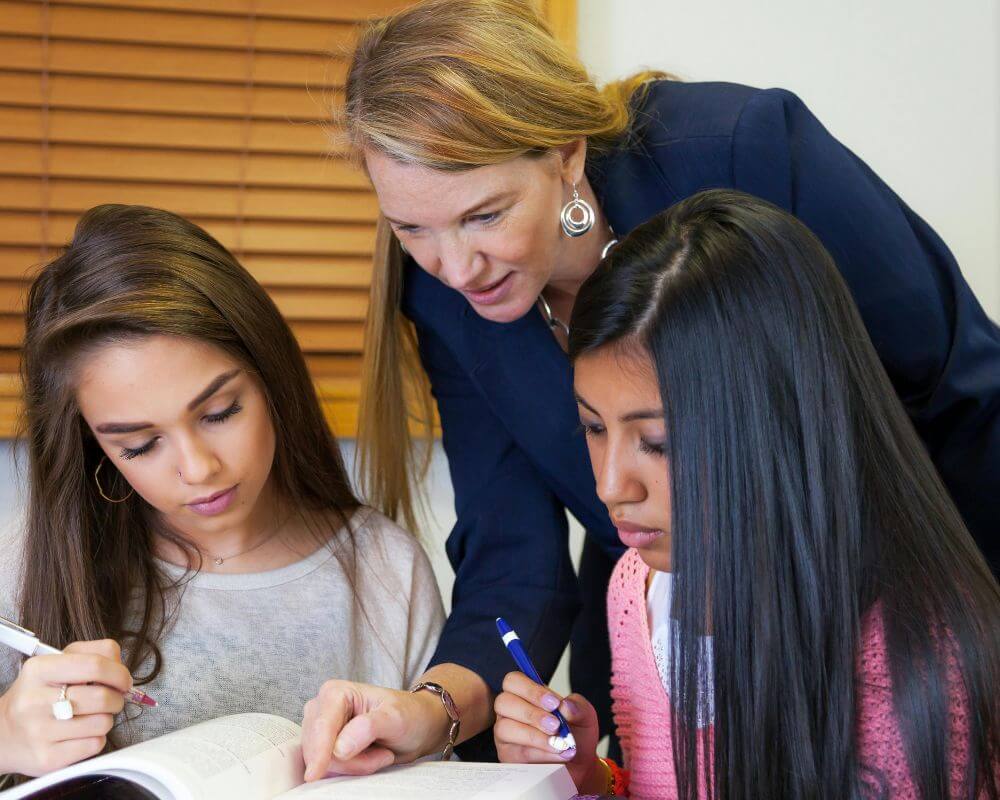
Moving Beyond Evaluation: A New Approach to Classroom Observations
One of the biggest challenges schools face is shifting the perception of classroom observations from evaluation to improvement.
For many educators, the word “observation” carries a sense of pressure. It often feels tied to performance reviews, ratings, or high-stakes decisions. This can create anxiety and lead teachers to focus more on how they appear during the observation than on authentic teaching. To unlock the full potential of classroom observations, this mindset must change.
Instead of viewing observations as a way to judge teaching, schools should position them as a way to support teaching. This means focusing on growth rather than scores, coaching rather than compliance, and consistency rather than isolated events.
When teachers begin to see observations as a resource rather than a requirement, everything changes. They become more open to feedback, more willing to reflect, and more motivated to improve. This cultural shift is essential for any school that wants to use classroom observations effectively.
The Key Elements of Effective Classroom Observations
While every school may structure its observation process differently, the most successful systems share several key elements. These elements ensure that classroom observations are meaningful, consistent, and aligned with instructional goals.
First, there must be clarity around what effective instruction looks like. Without a shared understanding, observations become subjective and inconsistent. Teachers may receive different feedback from different observers, which can be confusing and frustrating.
A clear instructional framework solves this problem. It defines what strong teaching looks like in observable terms, providing a common language for both observers and teachers. This alignment makes classroom observations more focused and more useful.
Second, observations must be grounded in evidence. Rather than relying on general impressions, observers should document specific actions and outcomes. What are students doing? What are they saying? How is the teacher facilitating learning?
This level of detail transforms observations from opinions into insights. It also makes feedback more actionable, as teachers can clearly see what is working and what needs adjustment.
Finally, observations must be followed by meaningful feedback and support. Without this step, even the most detailed observation has limited impact. Teachers need guidance on how to improve, as well as opportunities to implement new strategies and receive follow-up feedback.
These elements—clarity, evidence, and support—are the foundation of effective classroom observations.
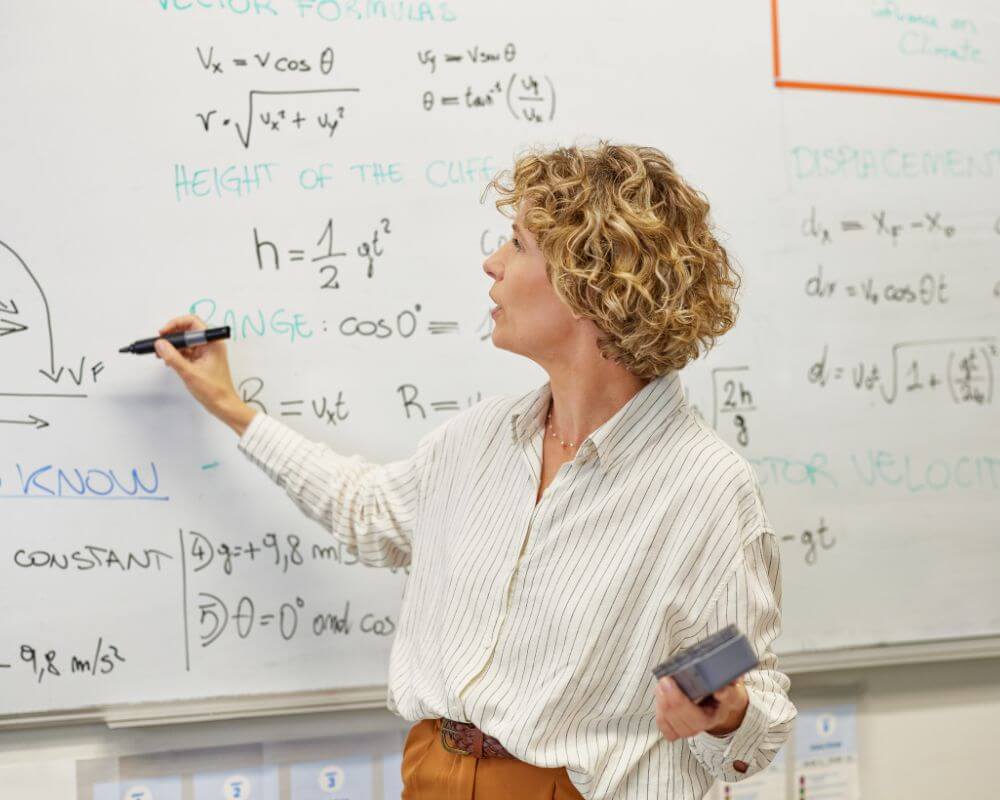
The Role of a Classroom Observation Checklist
One of the most practical tools for improving classroom observations is a well-designed classroom observation checklist. A checklist provides structure and consistency. It ensures that observers are focusing on the most important aspects of instruction rather than being distracted by less relevant details. It also helps standardize the observation process across different observers, which is critical for maintaining fairness and reliability.
However, not all checklists are created equal. An effective classroom observation checklist should be simple, focused, and aligned with your instructional framework. It should highlight key indicators of strong teaching, such as:
- Clear learning objectives
- Student engagement and participation
- Effective questioning strategies
- Opportunities for critical thinking
- Checks for understanding
The goal is not to create a long, overwhelming document. In fact, overly complex checklists can make observations less effective by shifting the focus to completing the form rather than observing instruction.
Instead, the checklist should serve as a guide, something that keeps the observer focused while still allowing for professional judgment and flexibility. When used correctly, a classroom observation checklist enhances the quality of observations without limiting their depth.
Preparing for Classroom Observations
Preparation is one of the most overlooked aspects of classroom observations, yet it plays a critical role in their effectiveness. Walking into a classroom without context can lead to misinterpretation. A lesson that appears disorganized might actually be part of a larger, well-planned unit. A quiet classroom might reflect focused independent work rather than disengagement.
Taking time to prepare helps observers see the full picture. This preparation might include reviewing previous observation notes, understanding the teacher’s current goals, or briefly discussing the lesson with the teacher beforehand. Even a few minutes of preparation can provide valuable insight and improve the accuracy of the observation. Preparation also signals respect.
When teachers see that an observer has taken the time to understand their context, it builds trust and reinforces the idea that classroom observations are about support rather than judgment.
What to Look for During Classroom Observations
Once the observation begins, the challenge is knowing where to focus. Classrooms are dynamic environments, and there is always more happening than can be captured in a single observation. This is why classroom observations should prioritize the most important indicators of learning and instruction.
Rather than trying to document everything, observers should focus on patterns and impact. How are students responding to the lesson? Are they engaged in meaningful tasks? Do they understand the learning objective? The answers to these questions provide valuable insight into the effectiveness of instruction.
It is also important to look beyond surface-level behaviors. A classroom may appear orderly and quiet, but that does not necessarily mean learning is taking place. Conversely, a classroom that seems active or even noisy may be highly productive if students are engaged in collaborative learning.
Classroom observations should always connect teacher actions to student outcomes. This connection is what makes observations meaningful and actionable.
This is where classroom observations begin to move beyond simple observation and become a tool for transformation, one that not only captures what is happening in the classroom, but actively contributes to improving it.
Turning Observation Data into Actionable Insights
Collecting data during classroom observations is only valuable if it leads to meaningful action. Too often, observation notes sit in a system or a notebook without being translated into clear next steps. This is where many schools lose momentum. The purpose of observation data is not to document, it is to improve.
To make classroom observations truly effective, observers must analyze what they saw and identify patterns that matter. This begins with organizing notes into key categories such as student engagement, instructional clarity, and assessment of understanding. From there, the observer can determine which areas had the greatest impact on student learning during the lesson.
For example, if students were actively participating but struggled to explain the learning objective, the issue may not be engagement; it may be clarity. Identifying this distinction allows feedback to be more precise and effective.
Actionable insights are specific, focused, and directly tied to student outcomes. Instead of saying, “Improve the lesson structure,” a stronger insight would be, “Clarify the learning objective at the beginning and revisit it during the lesson to reinforce understanding.”
This level of clarity transforms classroom observations from passive reporting into active instructional improvement.

Delivering Feedback That Leads to Growth
Feedback is the bridge between observation and improvement. Without it, even the most detailed classroom observations have limited value.
However, not all feedback is equally effective. The most impactful feedback is timely, specific, and focused on one or two key areas. When teachers receive too many suggestions at once, it becomes difficult to know where to start. Prioritizing the highest-leverage change increases the likelihood of implementation.
Timing also matters. Feedback should be delivered as soon as possible after the observation, while the lesson is still fresh. This allows teachers to reflect more accurately and apply changes in their next lesson.
Equally important is how feedback is framed. Rather than presenting feedback as a list of corrections, it should be positioned as an opportunity for growth. This can be achieved by connecting feedback to student outcomes and by acknowledging strengths alongside areas for improvement.
For example, an observer might say, “Students were highly engaged during the group activity, which is a great strength. To build on that, consider adding a quick check for understanding at the end to ensure all students grasp the key concept.” This approach reinforces what is working while guiding the next step forward.
Using a Classroom Observation Checklist Effectively
A classroom observation checklist is one of the most valuable tools for maintaining consistency and focus during observations. However, its effectiveness depends on how it is used. The checklist should not become a rigid script that limits observation. Instead, it should serve as a guide that ensures key elements of instruction are consistently considered.
When used effectively, a classroom observation checklist helps observers stay aligned with instructional priorities. It also makes it easier to compare observations across different classrooms, which is essential for identifying school-wide trends.
For example, if multiple observations indicate that checks for understanding are inconsistent, this insight can inform professional development. Without a checklist, these patterns may go unnoticed. It is also important to revisit and refine the checklist over time. As instructional goals evolve, the checklist should evolve as well. This ensures that classroom observations remain relevant and aligned with the school’s priorities.
Building Consistency Across Observers
In schools where multiple administrators or coaches conduct classroom observations, consistency is critical. Without alignment, teachers may receive conflicting feedback, which can lead to confusion and frustration. One observer may emphasize student engagement, while another focuses on instructional rigor. While both are important, inconsistency in feedback undermines the effectiveness of the observation process.
To address this, schools should prioritize calibration. Calibration involves training observers to interpret instructional practices in the same way. This can include reviewing sample lessons together, discussing observation notes, and aligning on what constitutes strong instruction.
Regular calibration sessions help ensure that all observers are using the same lens. This not only improves the quality of classroom observations, but also builds trust among teachers. When teachers know that observations are fair and consistent, they are more likely to value the process and act on the feedback they receive.
Creating a Continuous Observation Cycle
One of the most effective ways to improve instruction is to make classroom observations an ongoing process rather than a one-time event.
A continuous observation cycle includes multiple touchpoints:
- Observation
- Feedback
- Implementation
- Follow-up observation
This cycle allows for sustained growth over time. Instead of receiving feedback once and moving on, teachers have the opportunity to apply changes and receive additional support. Frequent, shorter observations are particularly effective in this model. They provide a more accurate picture of instruction and allow for timely feedback. They also reduce the pressure associated with high-stakes evaluations.
Over time, this continuous cycle creates momentum. Teachers become more reflective, feedback becomes more targeted, and instruction improves incrementally. This is the true power of classroom observations; not in a single moment, but in the consistency of the process.
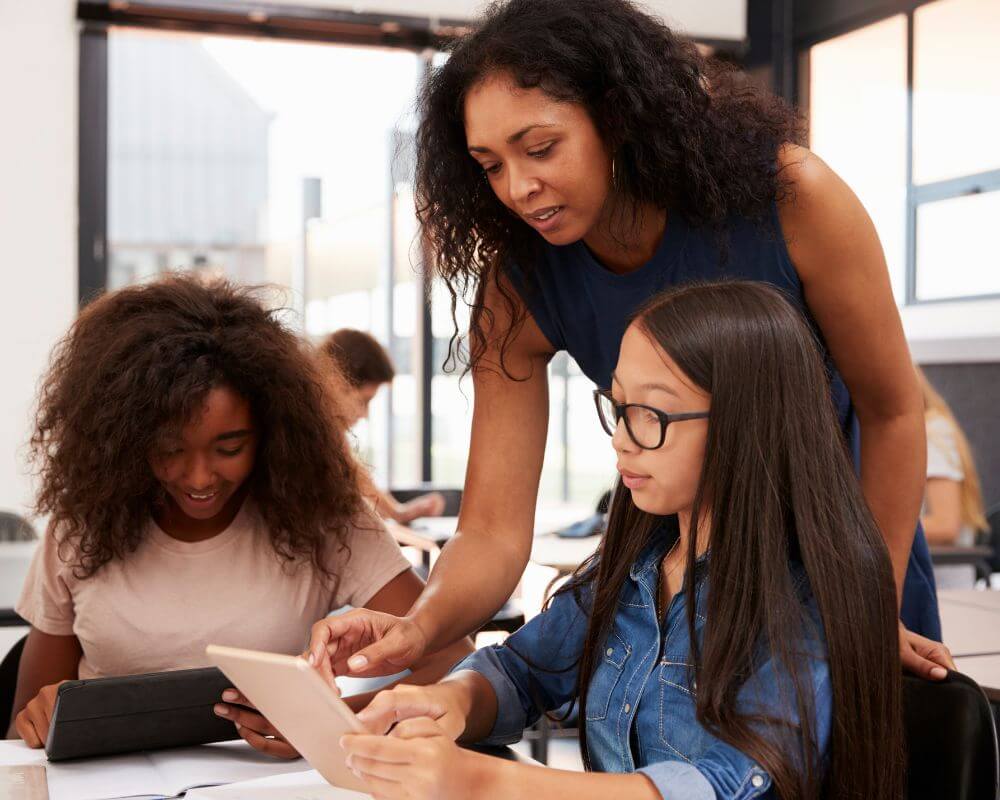
Supporting Teachers Beyond Feedback
Feedback alone is not enough to drive lasting change. Teachers need support in implementing new strategies, especially when those strategies require a shift in practice. This is where classroom observations should connect to broader instructional support.
Support can take many forms. It might include modeling a strategy in the classroom, providing resources or examples, or facilitating collaboration among teachers. In some cases, instructional coaches can work directly with teachers to refine specific skills.
The key is to ensure that feedback is not the end of the process. When teachers feel supported, they are more likely to take risks and try new approaches. This leads to deeper learning and more meaningful improvement.
Leveraging Classroom Observations for School-Wide Growth
While individual observations are valuable, their impact multiplies when used to inform school-wide decisions. Classroom observations provide a wealth of data that can reveal patterns across classrooms. These patterns can highlight strengths to build on and challenges to address.
For example, if observations consistently show strong student engagement but limited higher-order thinking, this may indicate a need for professional development in questioning strategies. Similarly, if classroom management is a common challenge, targeted support can be provided in that area.
Using observation data in this way ensures that improvement efforts are aligned with actual needs rather than assumptions. It also creates a sense of shared purpose. Teachers are not working in isolation, they are part of a collective effort to improve instruction.
Avoiding Common Mistakes in Classroom Observations
Even well-intentioned observation systems can fall short if certain pitfalls are not addressed. One common mistake is overemphasizing compliance. When classroom observations are treated as a requirement rather than a tool for growth, their impact is limited. The focus shifts to completing the process rather than improving instruction.
Another mistake is providing feedback that is too general or too broad. Without specificity, teachers may struggle to understand what needs to change. Without focus, they may feel overwhelmed. Inconsistency among observers is another challenge. As mentioned earlier, alignment is essential for building trust and ensuring fairness.
Finally, failing to follow up on feedback can undermine the entire process. Without follow-up, there is no accountability for implementation and no opportunity to measure progress. Avoiding these mistakes is key to maximizing the effectiveness of classroom observations.
The Long-Term Impact of Effective Classroom Observations
When implemented effectively, classroom observations have a lasting impact on both teachers and students. Teachers become more reflective and intentional in their practice. They develop a deeper understanding of what works and why. They also become more open to feedback and more willing to collaborate with colleagues.
Students benefit from improved instruction. Lessons become more engaging, more rigorous, and more aligned with learning objectives. Over time, this leads to stronger outcomes and a more positive learning experience.
At the school level, classroom observations contribute to a culture of continuous improvement. Instructional expectations become clearer, feedback becomes more consistent, and growth becomes a shared priority.
The ultimate goal of classroom observations is not to evaluate teaching, it is to improve it. This requires a shift in mindset, a commitment to consistency, and a focus on growth. It also requires systems that support teachers through every stage of the process, from observation to feedback to implementation.
A well-designed classroom observation checklist, combined with clear expectations and meaningful feedback, can transform the way observations are conducted. More importantly, it can transform the way teaching and learning happen in the classroom.
When schools embrace this approach, classroom observations become more than a process, they become a powerful driver of instructional excellence.