
How to Conduct Effective Teacher Observations That Improve Instruction
In every school, there are moments that quietly determine the trajectory of student success. They don’t always happen in board meetings, professional development days, or curriculum planning sessions. More often, they happen in classrooms, during real lessons, with real students, in real time. This is where teacher observations become one of the most powerful tools a school leader has.
But here’s the problem: many schools are doing teacher observations without actually improving instruction.
Observations become routine. A form gets filled out. A score gets assigned. A quick conversation happens—if it happens at all—and then everyone moves on. Meanwhile, instruction stays the same, teachers feel either judged or overlooked, and the opportunity for real growth is missed.
The difference between checking a box and transforming instruction lies in how observations are approached. Effective teacher observations are not about compliance, they are about clarity, coaching, and continuous improvement. When done well, they don’t just measure teaching; they actively make teaching better.
The Hidden Problem with Most Teacher Observations
Most observation systems were designed with accountability in mind. That’s not inherently wrong. Schools need structure, consistency, and a way to ensure instructional quality. But when accountability becomes the primary focus, something subtle but significant happens: observations shift from being helpful to being performative.
Teachers begin teaching for the observer instead of for their students. Lessons become overly polished, sometimes even unnatural. Risk-taking decreases because no one wants to be “caught” trying something new that might not work perfectly. Over time, this creates a culture where observations feel like interruptions instead of support. This is where many schools unintentionally stall their own growth.
Effective teacher observations flip that dynamic. Instead of asking, “How did this teacher perform?” the better question becomes, “What did students experience, and how can we make that experience even stronger?”
That shift alone changes the tone, the trust, and ultimately the results.
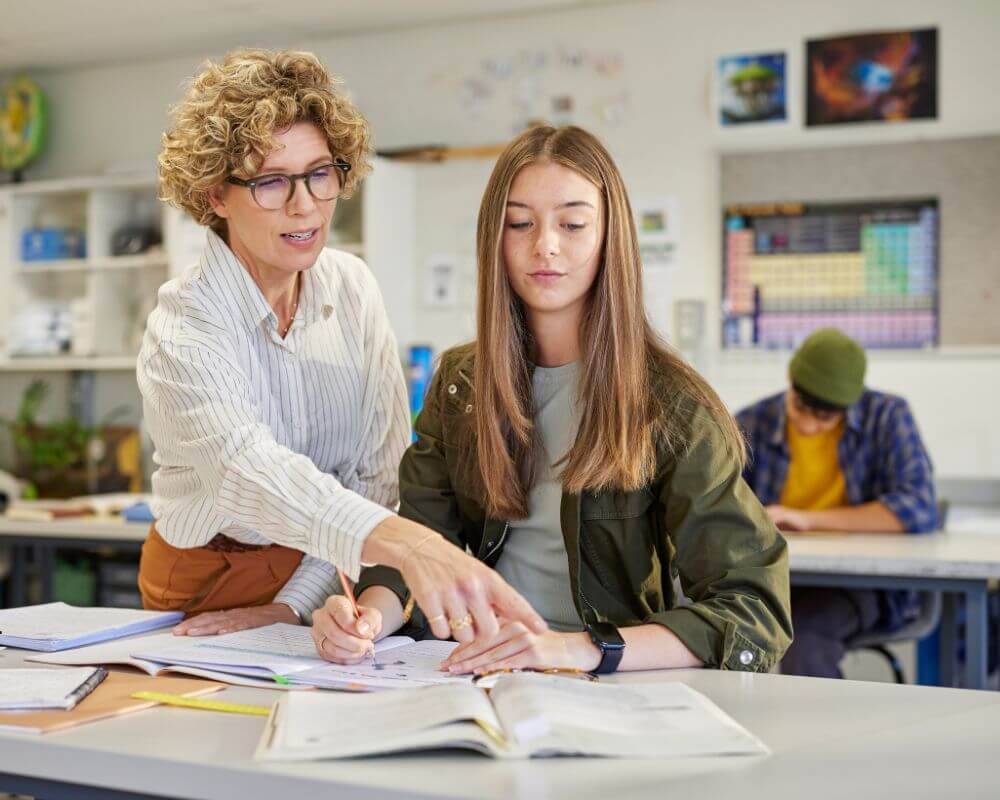
Why Effective Teacher Observations Matter for Instruction
At its core, teaching is incredibly complex. A single lesson requires content knowledge, classroom management, pacing, questioning, differentiation, and relationship-building, all happening simultaneously. Because of this complexity, improvement doesn’t happen through generic advice or one-time evaluations. It happens through consistent, focused feedback over time.
That’s exactly what teacher observations are meant to provide.
When observations are done effectively, they create a feedback loop. Teachers try something, receive targeted input, refine their approach, and try again. Over weeks and months, those small adjustments compound into significant instructional growth. More importantly, students feel the difference.
Engagement increases because lessons are more intentional. Understanding deepens because instruction is clearer. Classroom environments become more positive because teachers feel supported rather than scrutinized.
This is why effective teacher observations are not just a leadership responsibility, they are a strategic priority.
Shifting the Purpose: From Evaluation to Improvement
One of the most important steps in improving your observation process is redefining its purpose. If observations are primarily about evaluation, they will always feel high-pressure and limited in impact. If they are about improvement, they become something entirely different.
In an improvement-focused model, the goal is not to “rate” a teacher but to help them grow. That doesn’t mean standards disappear. It simply means that standards become a guide for development rather than a final judgment. This distinction matters more than most leaders realize.
When teachers believe observations are designed to help them improve, they become more open to feedback. They are more willing to reflect honestly on their practice. They are more likely to try new strategies, even if those strategies are not perfect the first time.
Trust increases, and with trust comes progress. That is the foundation of effective teacher observations.
Clarity Comes Before Observation
Before stepping into any classroom, there is a foundational question that must be answered: What does effective instruction actually look like in your school?
Without a clear answer, observations quickly become inconsistent. One administrator may prioritize student engagement, another may focus on academic rigor, and another may emphasize classroom management. None of these are wrong, but without alignment, feedback becomes confusing.
Teachers start to receive mixed messages. One observer praises a strategy while another questions it. Over time, this inconsistency leads to frustration and disengagement. Effective teacher observations depend on clarity.
That clarity often comes in the form of an instructional framework. Not a complicated document that sits in a binder, but a practical, shared understanding of what strong teaching looks like in action. It should describe observable behaviors, student outcomes, and instructional strategies in a way that everyone can understand and apply.
When this foundation is in place, observations become more focused, feedback becomes more consistent, and teachers know exactly what they are working toward.
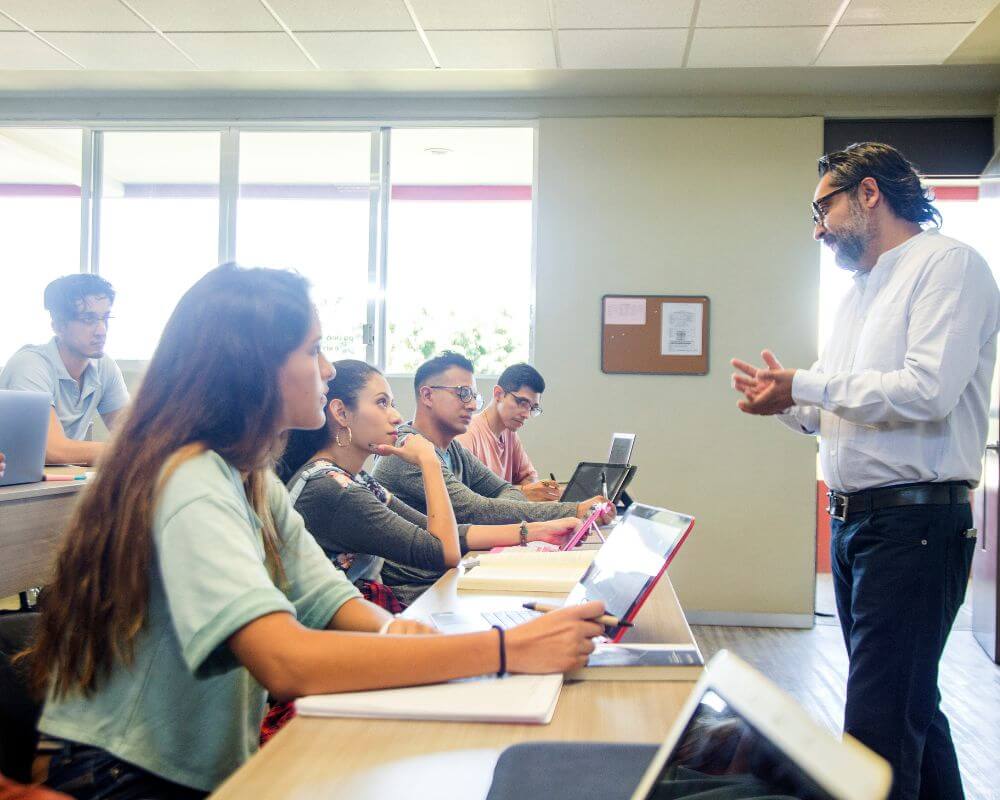
The Power of Preparation
One of the simplest ways to improve teacher observations is also one of the most overlooked: preparation.
Walking into a classroom without context limits what you can see and how you interpret it. A lesson that appears disorganized might actually be part of a larger, well-structured unit. A quiet classroom might reflect deep independent thinking rather than disengagement. Preparation helps you see the full picture.
Reviewing previous observation notes allows you to track patterns and progress. Understanding a teacher’s current goals ensures your feedback is relevant. Even a brief pre-observation conversation can provide valuable insight into what the teacher is trying to accomplish.
This doesn’t need to be time-consuming. In fact, even a few minutes of intentional preparation can dramatically improve the quality of your observation. It shifts your role from passive observer to active instructional leader.
Observing with Purpose
Once inside the classroom, the goal is not to capture everything, it’s to capture what matters most. This is where many observers struggle. There is so much happening in a classroom that it can feel overwhelming. Without a clear focus, notes become scattered and feedback becomes vague. Effective teacher observations require discipline in what you look for.
Instead of trying to document every detail, focus on key indicators of instructional effectiveness. Pay attention to how students are responding to the lesson. Notice how the teacher structures learning opportunities. Look for moments where understanding is either strengthened or lost. Most importantly, ground your observations in evidence.
Rather than relying on general impressions, document specific actions and outcomes. What did students say? What did they do? How did the teacher respond? These details are what make feedback meaningful and actionable.
They turn observations from opinions into insights.
Why Student Experience Matters Most
It’s easy to focus observations on the teacher. After all, they are the one leading the lesson. But the true measure of instruction is not what the teacher is doing, it’s what students are experiencing.
Are students thinking deeply, or are they simply completing tasks? Are they engaged, or are they passively compliant? Do they understand the objective, or are they moving through the lesson without clarity? These questions shift the focus of teacher observations in a powerful way.
When you observe through the lens of student experience, your feedback becomes more aligned with outcomes. Instead of saying, “The teacher explained the concept well,” you might say, “Students were able to apply the concept independently within five minutes of instruction.” That difference is significant.
It connects teaching directly to learning, which is the ultimate goal of every classroom.
Building Momentum Through Consistency
One of the biggest misconceptions about effective teacher observations is that they need to be long, formal, and infrequent. In reality, the opposite is true. Growth happens through consistency.
Frequent, shorter observations provide a more accurate picture of instruction over time. They reduce the pressure associated with high-stakes evaluations and allow for ongoing feedback that is timely and relevant.
When observations become a regular part of the school culture, they stop feeling like events and start feeling like support.
Teachers become more comfortable being observed. Administrators become more skilled at identifying patterns. Feedback becomes more natural and more impactful. And most importantly, improvement becomes continuous rather than occasional.
This is where effective teacher observations begin to truly transform instruction, not through a single moment, but through a sustained process of clarity, observation, feedback, and growth.

Turning Observation Notes into Meaningful Feedback
Observation alone does not improve instruction, what happens after the observation is where real impact is made. Too often, teacher observations result in feedback that is either too vague to be useful or too overwhelming to act on. Phrases like “increase engagement” or “improve pacing” may sound helpful, but they lack the specificity needed to drive change.
Effective teacher observations translate evidence into clear, actionable next steps.
The goal of feedback is not to point out everything that could be improved. It is to identify the one or two highest-leverage adjustments that will make the greatest difference in student learning. This requires discipline and prioritization from the observer.
For example, if an observation reveals that students struggled to stay engaged during independent work, the feedback should not list five unrelated suggestions. Instead, it might focus on one targeted strategy: incorporating structured accountability, such as check-ins or partner discussions, during that portion of the lesson.
This kind of feedback works because it is specific, manageable, and directly connected to what was observed. Clarity leads to action.
Structuring Feedback Conversations That Build Trust
The way feedback is delivered matters just as much as the feedback itself. Even the most insightful observations can fall flat if they are communicated in a way that feels critical or one-sided. Effective teacher observations are followed by conversations that feel collaborative, not corrective.
Instead of leading with conclusions, strong instructional leaders begin with reflection. Asking questions invites the teacher into the process and creates a sense of ownership over their growth.
Questions like:
- “What part of the lesson felt most successful to you?”
- “Where did you notice students struggling?”
- “What would you adjust if you taught this lesson again?”
These prompts shift the conversation from evaluation to coaching. They allow teachers to process their own practice before receiving input, which increases buy-in and openness.
Once reflection has been established, feedback can be layered in more effectively. The observer can connect their evidence to the teacher’s insights, reinforcing alignment and gently guiding areas for growth.
This approach builds trust over time, and trust is essential for any observation system to succeed.
Balancing Strengths and Growth Areas
A common mistake in teacher observations is focusing exclusively on what needs improvement. While growth is the goal, ignoring strengths can unintentionally discourage teachers and limit progress. Every classroom has effective practices worth highlighting.
Recognizing strengths does more than boost morale, it reinforces what should continue. It also provides a model that can be shared across the school. When teachers understand what they are doing well, they are more likely to repeat and refine those practices. However, balance is key.
Overly positive feedback without direction can feel empty, while overly critical feedback can feel discouraging. Effective teacher observations strike a balance by affirming strengths while clearly identifying a focused path for improvement.
The result is feedback that feels both encouraging and purposeful.
The Importance of Timeliness
Timing plays a critical role in whether feedback leads to change.
When feedback is delayed, its impact diminishes. Details are forgotten, the context fades, and the opportunity for immediate adjustment is lost. On the other hand, timely feedback allows teachers to reflect while the lesson is still fresh in their minds. This is why effective teacher observations prioritize quick follow-up.
Ideally, feedback should be delivered within 24 hours. Even a brief written summary or short conversation can make a significant difference. The goal is not perfection, it is momentum.
When feedback becomes a consistent, timely part of the process, it reinforces a cycle of continuous improvement rather than isolated events.
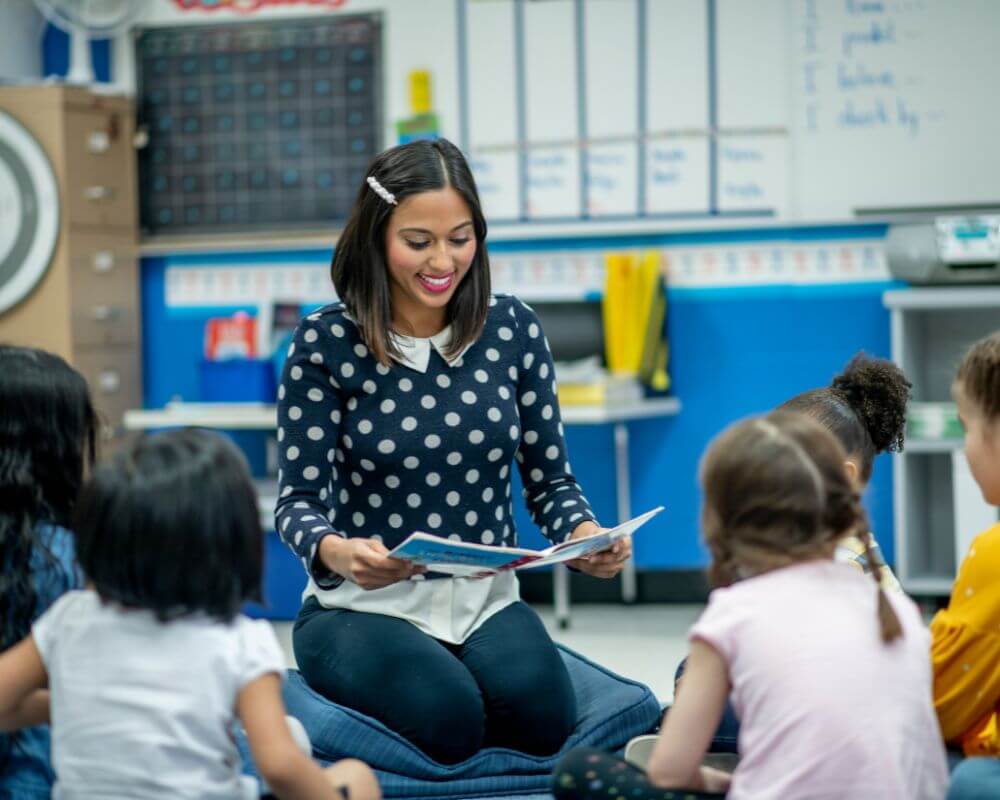
Creating a Culture Where Observations Are Welcomed
The long-term success of any observation system depends on culture.
In some schools, the phrase “teacher observations” creates tension. Teachers may feel anxious, defensive, or even resistant. This reaction is often the result of past experiences where observations were used primarily for evaluation rather than growth. Effective teacher observations require a culture shift.
This shift begins with leadership. When administrators are consistently present in classrooms—not just during formal observations—it normalizes the process. When feedback is supportive and actionable, it builds credibility. When teachers see real improvement as a result of feedback, they begin to value the process.
Over time, observations become less about being watched and more about being supported. In a healthy culture, teachers do not avoid observations, they seek them out.
Using Data to Drive Instructional Improvement
While individual observations are valuable, their true power is realized when patterns are identified across classrooms.
Effective teacher observations generate data that can inform school-wide decisions.
For example, if multiple observations reveal that students struggle with higher-order questioning, this may indicate a need for targeted professional development. If engagement is consistently low during independent work, it may point to a broader instructional challenge.
By analyzing observation data collectively, school leaders can move from reactive feedback to proactive improvement. This approach ensures that professional development is aligned with actual classroom needs rather than assumptions. It also creates a sense of shared focus, where teachers are working toward common goals.
In this way, teacher observations become not just a tool for individual growth, but a driver of organizational improvement.
Supporting Teachers Beyond the Observation
Feedback alone is not enough to create lasting change. Teachers need support in implementing new strategies, especially when those strategies require a shift in practice. This is where many observation systems fall short. Effective teacher observations extend beyond feedback into ongoing support.
This support can take many forms. It might include modeling a strategy in the classroom, providing resources or examples, or connecting teachers with peers who demonstrate strong practice in a specific area. In some cases, it may involve follow-up observations focused on the same goal to track progress. The key is consistency.
When teachers know they will be supported after receiving feedback, they are more likely to take action. They are also more likely to view observations as a partnership rather than a one-time event.
Avoiding Common Pitfalls in Teacher Observations
Even with the best intentions, there are several common pitfalls that can undermine the effectiveness of teacher observations.
One of the most significant is inconsistency. When different observers apply different standards, it creates confusion and erodes trust. This is why alignment and calibration among administrators are so important.
Another common issue is overloading teachers with feedback. While it may feel helpful to share everything that was noticed, too much information can be paralyzing. Focused feedback is far more effective.
There is also the risk of prioritizing compliance over growth. When observations are treated as a requirement rather than an opportunity, their impact is limited. The process becomes something to complete rather than something to value.
Recognizing and addressing these challenges is essential for building a system of effective teacher observations.
The Long-Term Impact of Effective Teacher Observations
When done well, the impact of teacher observations extends far beyond individual classrooms.
Teachers become more reflective and intentional in their practice. Instruction becomes more aligned and consistent across the school. Students benefit from higher-quality learning experiences. And leadership gains a clearer understanding of what is happening in classrooms every day. Over time, these changes compound.
A school that commits to effective teacher observations is not just improving instruction, it is building a culture of excellence. It is creating an environment where growth is expected, supported, and celebrated.
And perhaps most importantly, it is ensuring that every student has access to the best possible learning experience. Conducting effective teacher observations is not about creating a perfect system. It is about committing to a process that prioritizes growth, clarity, and consistency.
It requires intentional preparation, focused observation, meaningful feedback, and ongoing support. It demands a shift in mindset from evaluation to improvement. And it depends on a culture where trust and collaboration are at the center.
When these elements come together, observations become more than a task, they become a catalyst for transformation. And in the end, that is what truly improves instruction.